















HS Code Lookup for Heading 9618
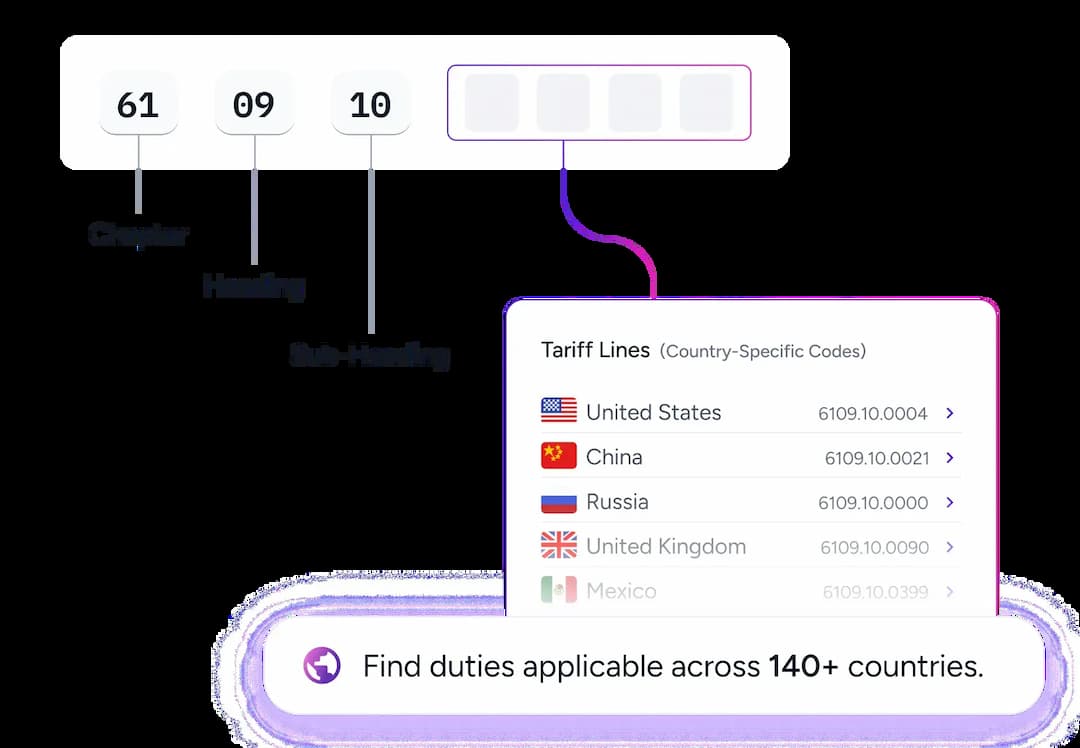
HS Code Lookup helps classify products under appropriate HS code and find duties applicable across 140+ countries. Find and discover HS classification, tariffs, taxes, controls, rulings, ECCNs, and default and preferential duties for HS code 9618.

WCO Notes for Heading 9618
96.18 ‑ Tailors’ dummies and other lay figures; automata and other animated displays used for shop window dressing.
This heading covers :
(1) Tailors’ and dressmakers’ dummies.
These are models of the human body used to obtain the correct fitting of clothing during making‑up; generally, they represent only the trunk of the human form. They are usually moulded from papier maché, plaster, plastics, etc., but some are made from certain plaiting materials such as cane, reeds or willow. The moulded forms are usually covered with textile material, and are generally mounted on a stand so that the height of the model from the ground can be varied.
(2) Other lay figures and similar articles.
These are representations of the human body or parts of the human body (e.g., head, trunk, legs, arms or hands), used to display articles of clothing, headgear, stockings, gloves, etc. These figures, etc., are made from the materials mentioned at (1) above. In the case of those representing the complete human form, the limbs are usually articulated so that the forms may be made to assume various positions. These figures are also used as models by artists and sculptors, and by medical students for practising methods of applying bandages, splints, etc.
This category does not include silhouette or profile shapes of figures which, though sometimes used for displaying goods, are more frequently used as direction signs. These articles are usually made of wood, paperboard or metal and are classified according to their constituent material.
(3) Automata and other animated displays used for shop window dressing.
These range from animated representations of humans or animals to numerous other automatically operating appliances of a kind used for displaying merchandise or for publicity purposes. They may be of any material, and are generally electrically or mechanically operated. Though frequently objects of curiosity in themselves, these articles are mainly intended to serve as novel methods of attracting attention to displays of goods or to particular articles exhibited in shop windows. They may be designed in various forms according to the nature of the merchandise or service to be advertised; they serve not only as an attractive means of presentation, but also in certain cases to illustrate by suitable movements the quality, method of operation, etc., of the articles displayed.
This heading does not include :
(a) Apparatus or models, designed solely for demonstrational purposes, of heading 90.23.
(b) Dolls and toys (Chapter 95).

What is HS code 9618?

How many sub-headings are there in HS code 9618?
International Trade Compliance Simplified