




Podcasts
Watch videos featuring supply chain experts




End-to-end compliance automation across classification, screening, and duties.







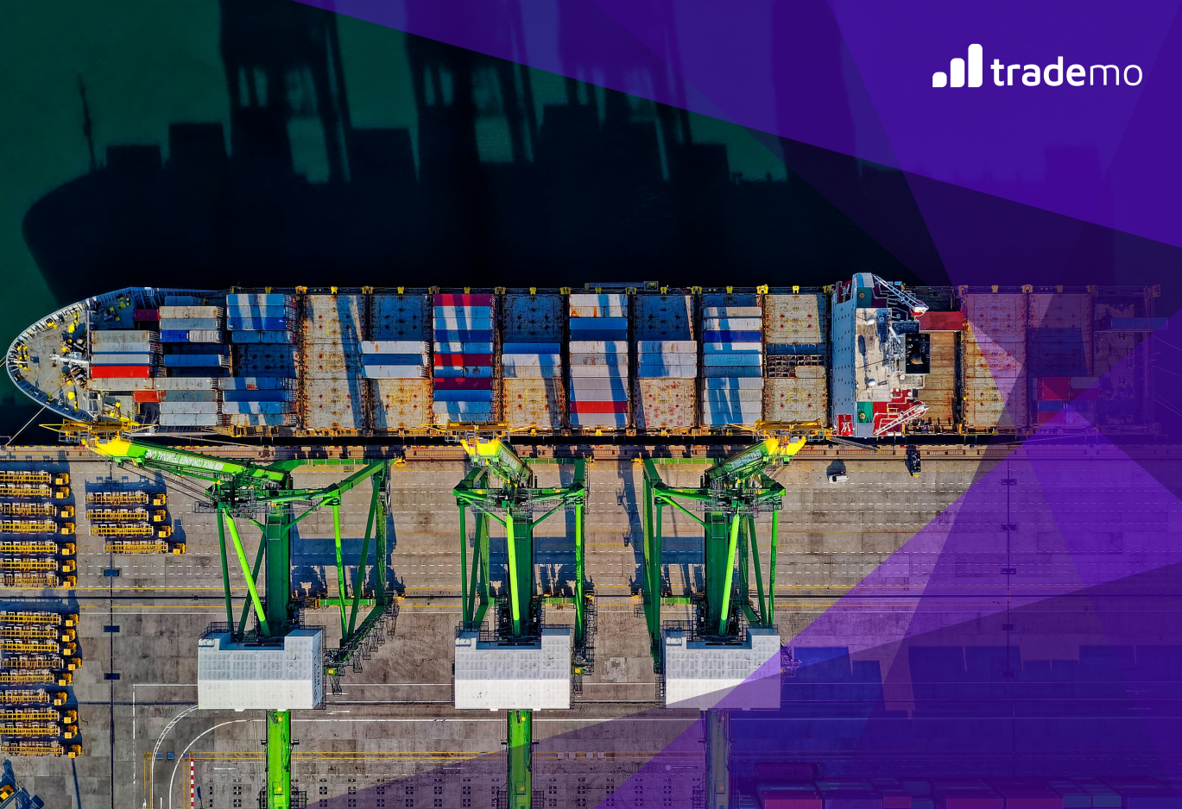


In maritime transportation, shipping companies or Vessel Operating Common Carriers (VOCCs) often face a set of challenges that constantly reshape the industry. The rising complex web of global supply chain disruptions, the need to comply to environmental regulations while maintaining cost-effectiveness, the challenge of managing skilled labor forces amidst ongoing labor disputes, and the industry's competitive landscape marked by overcapacity and rate volatility all contribute to the challenging environment in which shipping companies operate. These challenges underscore the necessity for these maritime entities to evolve, innovate, and strategize for sustainable growth and operational excellence.
The following are 5 challenges faced by shipping lines today and the solutions you can implement to alleviate these pain points.
Navigating international maritime regulations presents a daunting challenge for shipping carriers, requiring comprehensive strategies to ensure compliance with safety, environmental, and customs requirements. The complexity arises from the complicated nature of regulations imposed by various international bodies, including the International Maritime Organization (IMO), which sets safety standards, and the MARPOL Convention, addressing environmental concerns. Additionally, customs requirements vary across nations, further complicating the regulatory landscape. To tackle this challenge effectively, you can implement a multi-pronged approach.
Investing in a robust compliance management system is crucial. These systems should encompass advanced technologies such as data analytics, artificial intelligence, and machine learning to monitor regulatory changes in real-time. By staying abreast of evolving regulations, shipping carriers can proactively adapt their operations to ensure continuous compliance. Regular training programs for staff, both onshore and onboard, are instrumental in building a deep understanding of regulatory nuances and a culture of compliance within the organization.
Establishing strong partnerships with regulatory bodies and industry associations is another essential aspect of the solution you should focus on. Collaborating with these entities provides shipping companies with insights into upcoming changes, the opportunity to contribute to policy discussions, and a channel for seeking clarifications on ambiguous regulations. Participation in industry forums and engagement with stakeholders facilitate the exchange of best practices and contribute to a collective understanding of compliance challenges.
Leveraging advanced technologies such as blockchain for transparent and secure record-keeping ensures the traceability required for customs compliance from your end. These technologies enhance data accuracy, reduce errors, and provide auditable records, streamlining customs procedures. Furthermore, implementing Electronic Data Interchange (EDI) systems facilitates efficient communication with customs authorities, expediting documentation processes and reducing the risk of errors.
Collaborating with customs brokers and experts in local regulations is invaluable. Local expertise will aid you in navigating specific customs requirements of different regions, ensuring smoother operations at ports worldwide. This approach involves building a network of reliable partners who understand the intricacies of regional regulations and can provide timely advice.
Embracing sustainable practices aligns with evolving environmental regulations and contributes to the industry's broader goals. You should invest in fuel-efficient technologies, alternative fuels, and eco-friendly vessel designs not only ensure compliance with environmental standards but also position your shipping company as an environmentally responsible entity.
By adopting such a comprehensive strategy, you can not only maneuver the complexities of international maritime regulations effectively but also pivot themselves towards being industry leaders in compliance, safety, and environmental stewardship.
Vessel maintenance costs pose a significant challenge for shipping carriers, requiring substantial financial investments to ensure the safety, efficiency, and compliance of their maritime fleets. As you are aware, the maritime industry operates within a stringent regulatory framework, mandating compliance with safety standards. Proper maintenance involves addressing routine wear and tear, conducting necessary repairs, implementing upgrades to meet evolving safety standards, and ensuring adherence to environmental mandates. These requirements collectively contribute to the overall operational expenses of a shipping carrier, impacting profitability and competitiveness in the industry. To address the challenge of escalating maintenance costs, carriers can adopt a multifaceted and proactive approach.
Implementing a predictive maintenance strategy stands out as a cost-effective solution. With new advances in technology, you can implement Internet of Things (IoT) sensors and data analytics, you can monitor the condition of their vessels in real time, allowing for the prediction of potential issues before they escalate. This predictive approach enables scheduled maintenance, reducing the likelihood of costly breakdowns and minimizing downtime.
Collaborating with specialized shipyards and maintenance service providers also presents a viable solution. If not done yet, you should plan on establishing strategic partnerships with entities well-versed in vessel maintenance can lead to more cost-effective repairs and upgrades. These partnerships may facilitate bulk purchasing of spare parts, economies of scale, and streamlined repair processes, contributing to overall cost reduction.
As mentioned earlier as well, embracing environmentally friendly methodologies can have a dual benefit, compliance and efficiency. Investing in fuel-efficient propulsion systems, optimizing routes to reduce emissions, and adopting eco-friendly antifouling coatings are ways in which you can potentially decreasing fuel and maintenance costs, and align with environmental regulations.
Continuous training and upskilling of onboard and onshore staff in the latest maintenance practices and technologies contribute to proactive maintenance. A well-trained team in your team is better equipped to identify issues early, perform routine maintenance tasks, and contribute to overall cost savings.
By implementing these solutions, shipping carriers can meet regulatory requirements, enhance operational efficiency, reduce unforeseen expenses, and ensure the longevity and competitiveness of their maritime fleets.
Fuel price volatility poses a substantial challenge for carriers, creating an unpredictable operational environment with profound implications for operating costs, profitability, and financial planning. The maritime industry is heavily dependent on bunker fuel for vessel propulsion, and fluctuations in fuel prices can lead to considerable cost variations. The challenge is amplified by geopolitical events, market dynamics, and global economic conditions, which contribute to the unpredictable nature of fuel pricing. To mitigate the impact of fuel price volatility, you can employ a multiple approaches.
Hedging strategies provide a financial shield against fuel price fluctuations. You can enter into fuel hedging contracts, fixing prices for a predetermined period. While these contracts involve a degree of risk, they offer a level of certainty in budgeting, shielding companies from sudden and severe spikes in fuel prices. Strategic financial planning and risk management, involving collaboration with experts in commodity markets, are essential for successful fuel hedging strategies.
Adopting alternative fuels is a forward-thinking solution. As the industry embraces sustainability, by exploring and investing in cleaner energy sources, such as liquefied natural gas (LNG) or biofuels, you can provide long-term resilience against fuel price volatility. Governments and industry bodies are increasingly incentivizing the transition to alternative fuels through regulatory frameworks and financial support.
Investing in data analytics and real-time monitoring systems enables dynamic decision-making based on current market conditions. By closely tracking fuel price trends, you can adjust operational strategies, optimize routes, and choose fueling locations strategically. This agile approach allows shipping companies to capitalize on favorable market conditions and minimize exposure to price spikes.
Collaboration with industry peers and stakeholders can lead to collective solutions. Sharing best practices, pooling resources for research and development, and engaging in joint ventures for fuel procurement can enhance the industry's overall ability to withstand fuel price volatility. Furthermore, participating in industry initiatives and advocating for stable fuel markets contribute to shaping favorable conditions for all stakeholders.
By embracing these solutions, shipping carriers can enhance their resilience to fuel price fluctuations, ensure financial stability, and position themselves as leaders in sustainable and cost-effective maritime operations.
Global economic trends exert a profound impact on VOCCs, influencing shipping volumes, demand for services, and overall industry stability. Economic downturns, recessions, or disruptions such as the recent global pandemic can lead to reduced consumer spending, manufacturing slowdowns, and disruptions in supply chains, resulting in decreased demand for maritime transportation services. Navigating these uncertainties requires strategic foresight and adaptive measures. To address the challenge of vulnerability to global economic trends, you can implement a comprehensive set of solutions.
Diversifying service offerings and markets stand out as a resilient strategy. You can expand into new geographic regions or niche markets less sensitive to economic downturns, mitigating the impact of a slowdown in any single sector. Diversification not only broadens revenue streams but also hedges against regional economic fluctuations.
Implementing robust demand forecasting and scenario planning is crucial. Advanced data analytics and forecasting models enable shipping companies to anticipate changes in volumes, adapt routes, and optimize vessel deployment based on evolving economic conditions. Scenario planning allows for strategic preparedness, enabling quick adjustments to changing demand patterns.
Establishing flexible and adaptive contracts with customers is instrumental. Dynamic contract structures that incorporate flexibility in terms of shipping volumes, pricing mechanisms, and service levels allows you to respond agilely to changing economic circumstances. Collaboration with customers to align contract terms with their supply chain strategies nurtures stronger long-term partnerships and resilience.
Strategic cost management and operational efficiency measures are paramount. Streamlining processes, optimizing vessel routes, and investing in fuel-efficient technologies contribute to cost reduction. VOCCs can also explore collaborations with ports, terminals, and logistics partners to create integrated and efficient supply chain solutions, reducing overall operational costs.
Maintaining financial resilience through prudent financial management is something you should incorporate. Building a robust financial strategy, managing debt responsibly, and establishing contingency funds provide a financial buffer during economic downturns. Continuous monitoring of key financial metrics and stress testing scenarios contribute to better financial planning.
Building a culture of innovation and adaptability within the organization is vital. Encouraging employees to contribute ideas, embracing continuous improvement, and staying attuned to industry trends positions you to quickly adapt to changing economic landscapes.
By diversifying services, implementing advanced forecasting, establishing flexible contracts, investing in technology, managing costs efficiently, maintaining financial resilience, and building a culture of innovation, shipping carriers can navigate economic uncertainties, ensure long-term sustainability, and position themselves as resilient players in the maritime industry.
Port congestion stands as a critical challenge for shipping carriers, introducing delays and escalating operational costs. The congestion often results from a combination of factors, including an increase in global trade volumes, inadequate port infrastructure, labor shortages, and inefficient cargo handling processes. Such congestion disrupts schedules, impacts vessel turnaround times, and contributes to increased fuel consumption. To effectively address and mitigate the impacts of port congestion, you can adopt a set of solutions.
Strategic collaboration with port authorities and stakeholders is crucial. You can actively engage in discussions with port authorities to address infrastructure deficiencies and streamline port operations. Collaborative initiatives, such as joint investments in port infrastructure improvements, can enhance overall port efficiency, reducing congestion-related delays.
Investing in advanced technologies is instrumental in mitigating the effects of port congestion. Implementing and integrating smart port technologies into your fleet and management systems, including real-time tracking systems, automated cargo handling processes, and data analytics, enables you to optimize operations and respond promptly to changes in port conditions. These technologies enhance visibility and communication, allowing for more accurate scheduling and improved coordination between vessel operators and port authorities.
Implementing dynamic scheduling and route optimization strategies is essential. you can leverage predictive analytics to anticipate congestion and adjust routes accordingly. Utilizing alternative ports or adjusting arrival times based on real-time congestion data minimizes delays and ensures more efficient use of resources.
Collaboration with intermodal transportation partners helps create seamless connections between ports and hinterland transportation networks. Efficient transfer of cargo from vessels to inland transportation modes reduces dwell times at ports, contributing to overall congestion alleviation.
Establishing contingency plans is crucial to for you to manage unexpected congestion events effectively. You can develop flexible operating procedures that allow for swift adjustments in response to changing port conditions. These plans may include alternative routing, rerouting vessels to less congested ports, or utilizing additional resources during peak periods.
Improving communication and information-sharing practices between all stakeholders is fundamental. Enhanced transparency regarding cargo status, vessel schedules, and port conditions enables better coordination and more informed decision-making. This collaborative approach balances shared responsibility among all parties involved in port operations.
Investing in workforce training and capacity building contributes to more efficient port operations. Ensuring that personnel are well-equipped to handle increased cargo volumes and are trained in the use of advanced technologies enhances overall port efficiency and reduces bottlenecks.
Advocating for regulatory reforms and policy changes is crucial. You can actively engage with government authorities to address regulatory barriers that contribute to congestion. Supporting initiatives that streamline customs procedures, improve infrastructure investment, and enhance overall port governance can lead to long-term improvements in congestion management.
By adopting these methods, shipping carriers can navigate the challenges posed by port congestion, ensuring smoother operations, reducing delays, and enhancing overall efficiency in maritime transportation. Read our next blog in the series to learn five more challenges shipping companies should address.
Trademo helps shipping companies optimize their operations and grow their business. You too can leverage a global trade intelligence platform to find trade volumes and trends across ports and trade lanes to find and optimize alternate routes, and find the largest importers or exporters to reach out for prospecting and creating strategic partnerships.