




Podcasts
Watch videos featuring supply chain experts




End-to-end compliance automation across classification, screening, and duties.







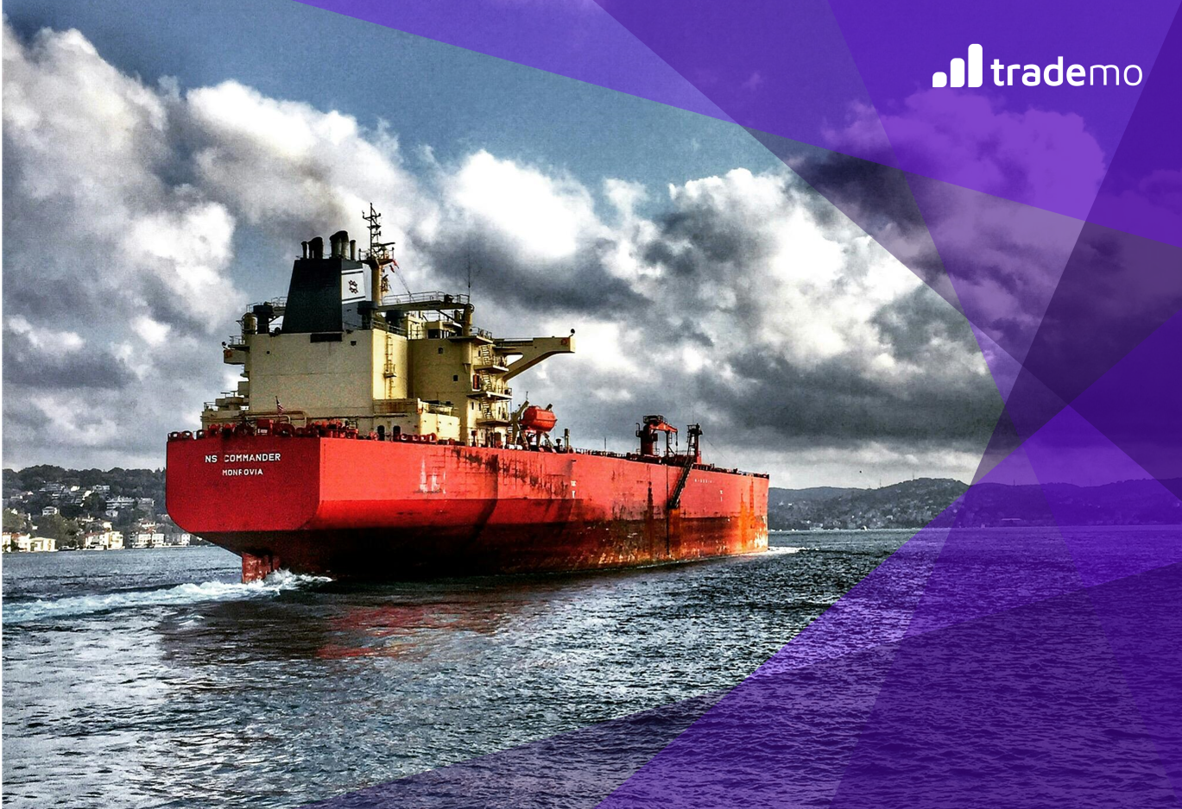


The vast ocean may seem like an open highway for shipping goods, but maritime transport is a surprisingly risky industry. It goes far beyond simply loading cargo onto a ship and steering it towards its destination. In short, maritime transport may appear straightforward on the surface, but it's a blend of logistics, regulations, the ever-changing environment, and other unseemingly notable risks. Understanding these complexities is essential for the apprehension of problems and the true challenges of moving goods across vast stretches of ocean.
We take a look at 5 challenges faced by shipping lines today and the solutions they can implement to mitigate these pain points.
As the maritime industry adopts digitization, carriers encounter escalating cybersecurity risks that pose threats to operational continuity and the security of sensitive data. Cyber-attacks, ranging from ransomware to data breaches, have the potential to disrupt vessel operations, compromise critical systems, and undermine the integrity of communication channels. These threats necessitate a proactive and robust cybersecurity strategy. You can mitigate these risks through a comprehensive set of solutions.
Advanced Cybersecurity Measures Implementing advanced cybersecurity measures is fundamental and you should invest in state-of-the-art firewalls, intrusion detection systems, and antivirus solutions to fortify their digital infrastructure. Regular security audits and vulnerability assessments help identify and address potential weaknesses, ensuring a proactive stance against evolving cyber threats. Encryption technologies should be applied to protect sensitive data both in transit and at rest, safeguarding it from unauthorized access.
Staff Training Employee training and awareness programs play an important role in this. Human error is a common entry point for cyber threats, so educating your staff about cybersecurity best practices, recognizing phishing attempts, and promoting a culture of cyber hygiene enhances the overall security posture. Regularly updating and reinforcing these training programs keeps your workforce informed about emerging threats and reinforces a collective responsibility for cybersecurity.
Plans and Procedures Establishing a robust incident response plan is crucial. You should develop detailed procedures to follow in the event of a cybersecurity incident. This includes designated response teams, communication protocols, and steps to contain and mitigate the impact of an attack. Regularly conducting simulated exercises ensures that the response plan remains effective and up-to-date.
Security Experts Collaboration with cybersecurity experts and industry peers enhances overall resilience. Sharing threat intelligence, participating in industry forums, and collaborating on joint initiatives contribute to a collective defense against cyber threats. Establishing partnerships with cybersecurity service providers can provide access to specialized expertise and resources to fortify defenses.
Cybersecurity Vendors All shipping lines and stakeholders should collaborate with third-party vendors and partners to enforce stringent cybersecurity standards throughout the supply chain reduces the risk of compromise through interconnected systems. This involves vetting the cybersecurity practices of vendors, implementing secure data exchange protocols, and establishing contractual obligations for maintaining cybersecurity standards.
Supply chain disruptions stemming from external factors, such as natural disasters, geopolitical events, or global health crises, present formidable challenges for shipping lines. These disruptions can result in cargo delays, increased operational complexities, and financial uncertainties. To effectively address and mitigate the impact of supply chain disruptions, shipping lines should adopt a comprehensive set of solutions.
Diversifying Trade Routes Diversifying routes and ports serves as a strategic measure to mitigate the impact of disruptions. You can establish alternative shipping routes and ports of call, allowing for flexibility in response to unforeseen events. This approach minimizes the risk of complete reliance on a single route or port heavily affected by disruptions, ensuring continuity in cargo transportation.
Tracking and Visibility Implementing real-time tracking and visibility solutions is essential. Today, leveraging advanced technologies such as sensors, weather monitoring, and data analytics provides tech-enabled shipping carriers with real-time insights into the location and status of cargo. Enhanced visibility enables swift decision-making in response to disruptions, allowing for proactive measures to reroute or reschedule shipments based on the current state of the supply chain.
Alternate Strategizing with Stakeholders Establishing strong partnerships with suppliers, logistics providers, and industry peers facilitates the sharing of risk assessments and mitigation strategies. You should also engage with government agencies to stay informed about regulatory changes and to seek support in navigating challenges during disruptions. Collaborative risk management by working on alternate plans in case of potential disruptions enhances the collective ability to respond to them effectively, leveraging shared resources and expertise.
Contingency Planning Establishing contingency plans specific to various disruption scenarios is crucial. Shipping companies should develop comprehensive plans that outline specific actions to be taken in response to different types of disruptions, whether caused by natural disasters, geopolitical tensions, or health crises. These plans should address communication protocols, alternative routes, and resource allocation strategies to minimize downtime.
Supply and Demand Forecasting Utilizing advanced forecasting models contributes to proactive supply chain management. By incorporating predictive analytics into demand forecasting processes, carriers can anticipate potential disruptions and adjust their operations accordingly. Accurate forecasting enhances the ability to align resources with expected demand fluctuations, minimizing the impact of disruptions on cargo volumes.
The maritime industry's inherent competitiveness and the issue of overcapacity on certain routes pose substantial challenges for shipping ccompanies, contributing to rate volatility that can significantly impact revenue and profitability. Intense competition often results in price wars and downward pressure on freight rates, making it challenging for you to maintain sustainable pricing models. Overcapacity, particularly on popular trade routes, exacerbates this issue, leading to excess vessel supply and reduced freight rates. To navigate these challenges and foster a more stable and profitable operational environment, shipping companies can employ a variety of strategic solutions.
Building Alliances Collaborative alliances and consortiums emerge as a key solution to address overcapacity and enhance competitiveness. By forming strategic partnerships with other carriers through alliances, shipping companies can pool resources, share vessel space, and optimize routes, effectively reducing overcapacity-related challenges. These collaborations enable carriers to achieve economies of scale, enhance operational efficiency, and collectively manage capacity to better align with market demand.
Route Planning Strategic route planning and service differentiation are pivotal in addressing competition and overcapacity. Carriers should analyze market demand trends, optimize vessel deployment based on specific trade lane needs, and identify niche markets with growth potential. Offering specialized services, such as expedited shipping, enhanced cargo tracking, or customized solutions for specific industries, enables these carriers to differentiate themselves and create value beyond price, fostering customer loyalty and attracting premium business.
Dynamic Pricing Implementing dynamic pricing strategies and contract structures helps VOCCs navigate rate volatility. Rather than relying solely on fixed-rate models, carriers can adopt dynamic pricing mechanisms that respond to market fluctuations. Flexible contract structures, such as floating rates or index-linked pricing, provide agility in adjusting to changing market conditions, allowing VOCCs to capture revenue opportunities during peak demand and mitigate losses during periods of overcapacity.
Capacity Management Strategic capacity management is crucial for shipping carriers to align supply with demand effectively. By employing advanced data analytics and forecasting models, you can gain insights into market trends, anticipate capacity requirements, and adjust vessel deployments accordingly. This proactive approach ensures that carriers optimize their resources and prevent the negative impact of overcapacity on freight rates and profitability.
In conclusion, addressing competition and overcapacity requires a strategic approach. By forming collaborative alliances, optimizing routes, differentiating services, implementing dynamic pricing, and managing capacity effectively, carriers can navigate the challenges of rate volatility and overcapacity, positioning themselves for long-term success in a fiercely competitive maritime industry.
Environmental sustainability has become a critical challenge for shipping companies as the maritime industry faces increasing scrutiny over its ecological impact. Stringent environmental standards and growing concerns about carbon emissions necessitate substantial investments in greener technologies and practices. To address this challenge, you can adopt a comprehensive set of solutions that not only align with regulatory requirements but also demonstrate a commitment to environmental stewardship.
Implementing Innovations Implementing innovative hull designs and coatings can enhance fuel efficiency and reduce the environmental impact of your maritime operations. Hydrodynamic improvements, such as streamlined hull shapes and anti-fouling coatings, help vessels glide through the water more efficiently, ultimately reducing fuel consumption and emissions. These advancements not only contribute to sustainability but also support regulatory compliance.
Renewable Energy Utilizing renewable energy sources on your vessels is a progressive step toward sustainability. Integrating solar panels or wind turbines into the ship's infrastructure can supplement traditional power sources, harnessing natural elements to generate electricity and reduce reliance on fossil fuels. While not suitable as primary power sources, these renewable technologies contribute to overall energy efficiency.
Digitization Embracing digitalization and data analytics enhances operational efficiency, reducing environmental impact. Implementing smart navigation systems, weather routing algorithms, and real-time monitoring allow you to optimize routes, avoid adverse weather conditions, and minimize fuel consumption. Advanced data analytics provide insights into energy usage patterns, allowing shipping carriers to identify areas for further optimization.
Promoting Responsibility Promoting a culture of environmental responsibility within the organization is essential. Training and engaging employees in sustainability initiatives foster a collective commitment to green practices. You can establish internal programs that encourage employees to contribute ideas for eco-friendly operations and provide incentives for sustainable behaviors.
Stakeholder Integration Engaging with stakeholders, including customers, suppliers, and the broader community, and integrating them into your initiatives is crucial. Transparent communication about sustainability initiatives and environmental performance builds trust and demonstrates accountability. Start collaborating with customers who prioritize green supply chain practices to build mutually beneficial partnerships and position yourself as leaders in sustainable shipping.
In conclusion, addressing the challenge of environmental sustainability requires a holistic and proactive approach. By investing in adopting innovative hull designs, utilizing renewable energy sources, embracing digitalization, promoting a culture of responsibility, and engaging with stakeholders, you can navigate the complexities of environmental regulations and contribute to a more sustainable future for the maritime industry.
Labor relations pose intricate challenges for shipping carriers today, consisting the management of a skilled and efficient workforce, addressing labor disputes, and remaining competitive in terms of labor costs. Achieving a balance between workforce satisfaction and operational efficiency is crucial for the sustained success of maritime operations. To navigate these challenges, you can implement a range of strategic solutions that cater to positive labor relations and maintain a competitive edge.
Workforce Training Investing in workforce development and training is foundational. By providing ongoing training programs, you ensure that employees remain skilled and adaptable in the evolving maritime landscape. Empowering the workforce with the necessary skills not only enhances operational efficiency but also contributes to job satisfaction, reflecting a positive labor environment.
Fair Compensation Labor is the bread and butter of any company, hence establishing fair and competitive compensation structures is pivotal. Maintaining wages that align with industry standards ensures that you attract and retain skilled professionals. Additionally, providing competitive benefits, such as health insurance, retirement plans, and incentive programs, enhances the overall compensation package and contributes to employee satisfaction.
Dispute Resolution Mechanisms Implementing effective dispute resolution mechanisms is crucial for maintaining labor peace. You can establish clear protocols for addressing conflicts, whether through mediation, arbitration, or internal grievance procedures. Resolving disputes promptly and equitably demonstrates the company's commitment to fair labor practices and fosters a positive relationship with the workforce.
Technology and Automation Embracing technology and automation can enhance operational efficiency while addressing labor cost concerns. Automated systems for routine tasks, such as cargo handling and documentation, not only increase productivity but also reduce the reliance on manual labor. This approach has allowed many carriers to optimize workforce utilization and manage labor costs effectively.
Positive Work Culture Fostering a positive work culture is instrumental in retaining a motivated and satisfied workforce. you can create environments that prioritize employee well-being, safety, and a sense of belonging. Recognizing and rewarding employee contributions, implementing flexible work arrangements, and promoting a healthy work-life balance contribute to a positive work culture.
Open Communication and Discussion Engaging in transparent and open communication channels is essential. You can establish regular forums for dialogue between management and employees to discuss concerns, share information about company initiatives, and collaboratively address challenges. Engaging in collective bargaining and collaborative negotiations with unions, where applicable, is a constructive approach. Carriers should work collaboratively with labor unions to negotiate fair and mutually beneficial agreements. Establishing strong partnerships with unions fosters a cooperative labor-management relationship, reducing the likelihood of work stoppages or disruptions.
If you haven't already, read our previous blog on five challenges shipping companies face to learn more on this topic.
Supply chain intelligence provides shipping companies with key information to streamline their operations, analyze competition, and find new clients. In consideration to the challenges mentioned in this blog, supply chain intelligence solutions can help to mitigate the impact of supply chain disruptions by finding new routes and clients for sustained or improved revenue, and help monitor operations of competition and capacity management. Today, many carriers leverage Trademo to become the front runner in maritime operations.